
Blue Light & Sleep: How to Protect Your Kids from Screen Overload
- by Michelle
- April 2, 2025
- 0
- 26

Affiliate Disclosure: This post may contain affiliate links, which means I may earn a small commission if you make a purchase through my links, at no extra cost to you. I only recommend products I genuinely love or believe will be helpful for busy moms. Thank you for supporting Modern Moms Essentials.
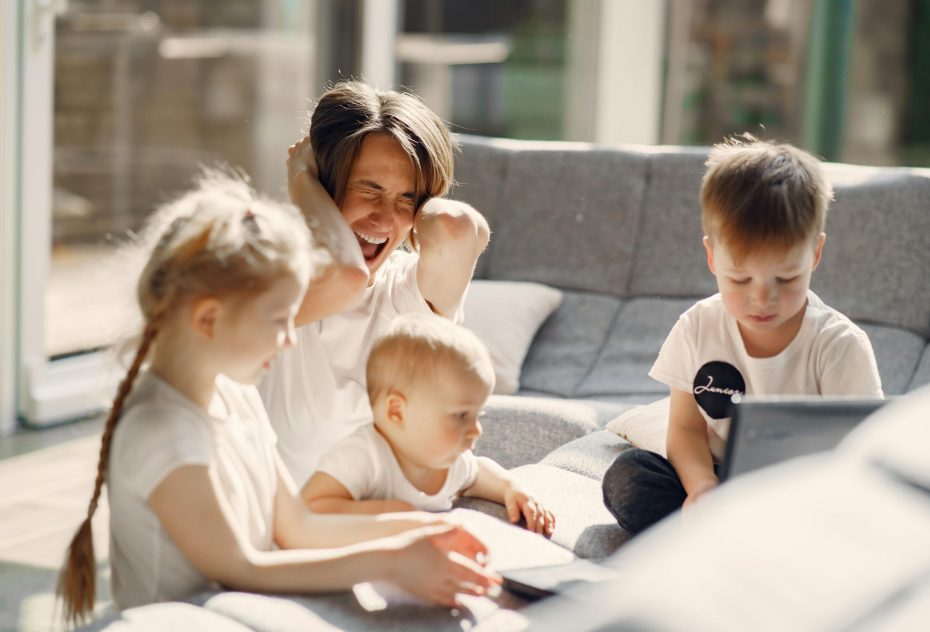
In today’s digital world, screens are everywhere from tablets and TVs to smartphones and gaming consoles. While technology offers endless learning and entertainment opportunities, excessive screen time, especially before bedtime, can wreak havoc on your child’s sleep. The culprit? Blue light.
What is Blue Light & Why Does it Matter?
Blue light is a type of high-energy visible (HEV) light emitted by digital screens, LED lights, and even the sun. While natural blue light helps regulate sleep-wake cycles, artificial blue light from screens can interfere with melatonin production, the hormone responsible for sleep.
When kids are exposed to blue light late in the evening, their brains get tricked into thinking it’s still daytime. This leads to difficulty falling asleep, restless nights, and groggy mornings, which can affect mood, focus, and overall health.
Signs That Screen Time is Disrupting Your Child’s Sleep
- Difficulty falling asleep or waking up frequently at night
- Feeling groggy or cranky in the morning
- Increased irritability or difficulty concentrating during the day
- Complaints of headaches or eye strain
How to Protect Your Kids from Screen Overload
1. Set a Screen Curfew
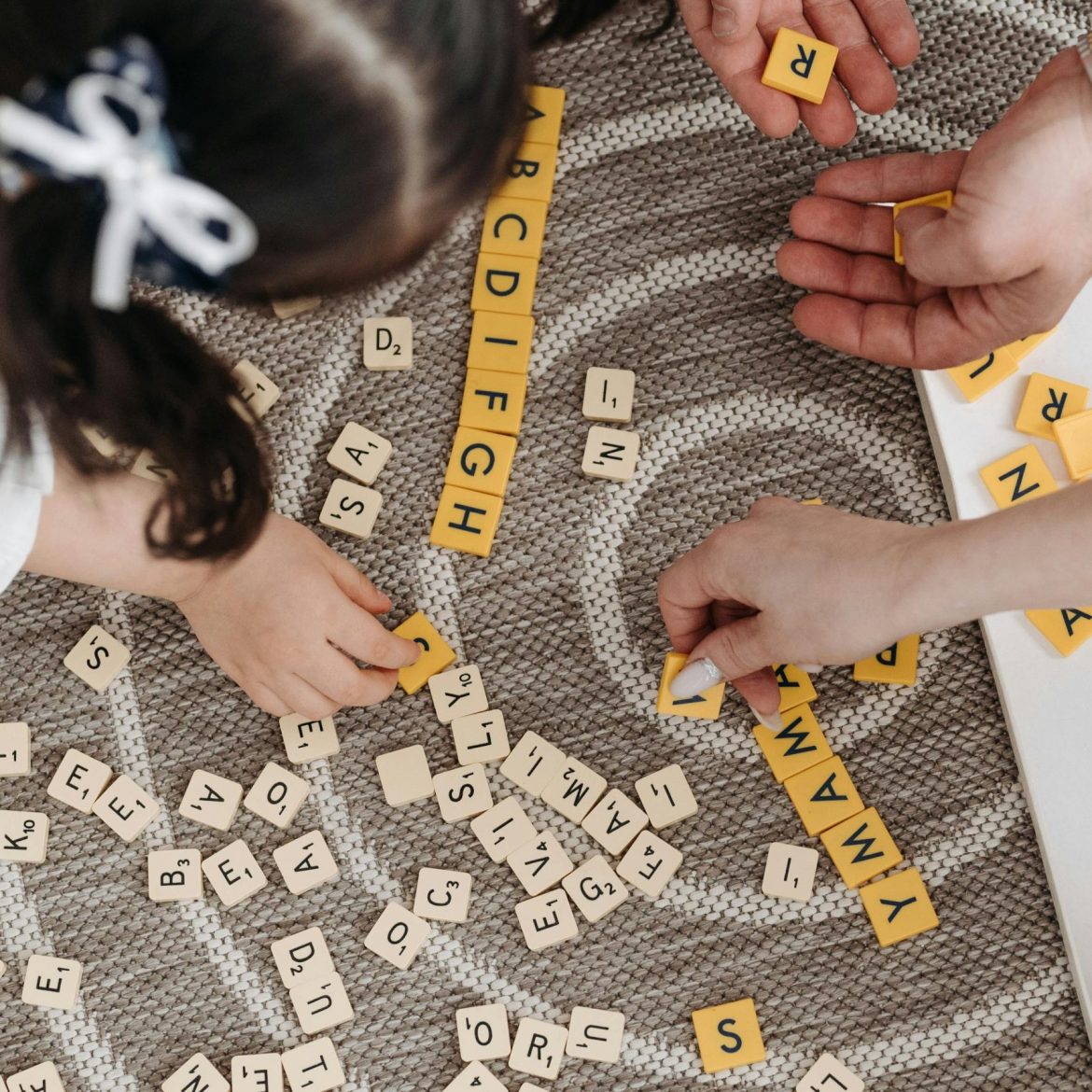
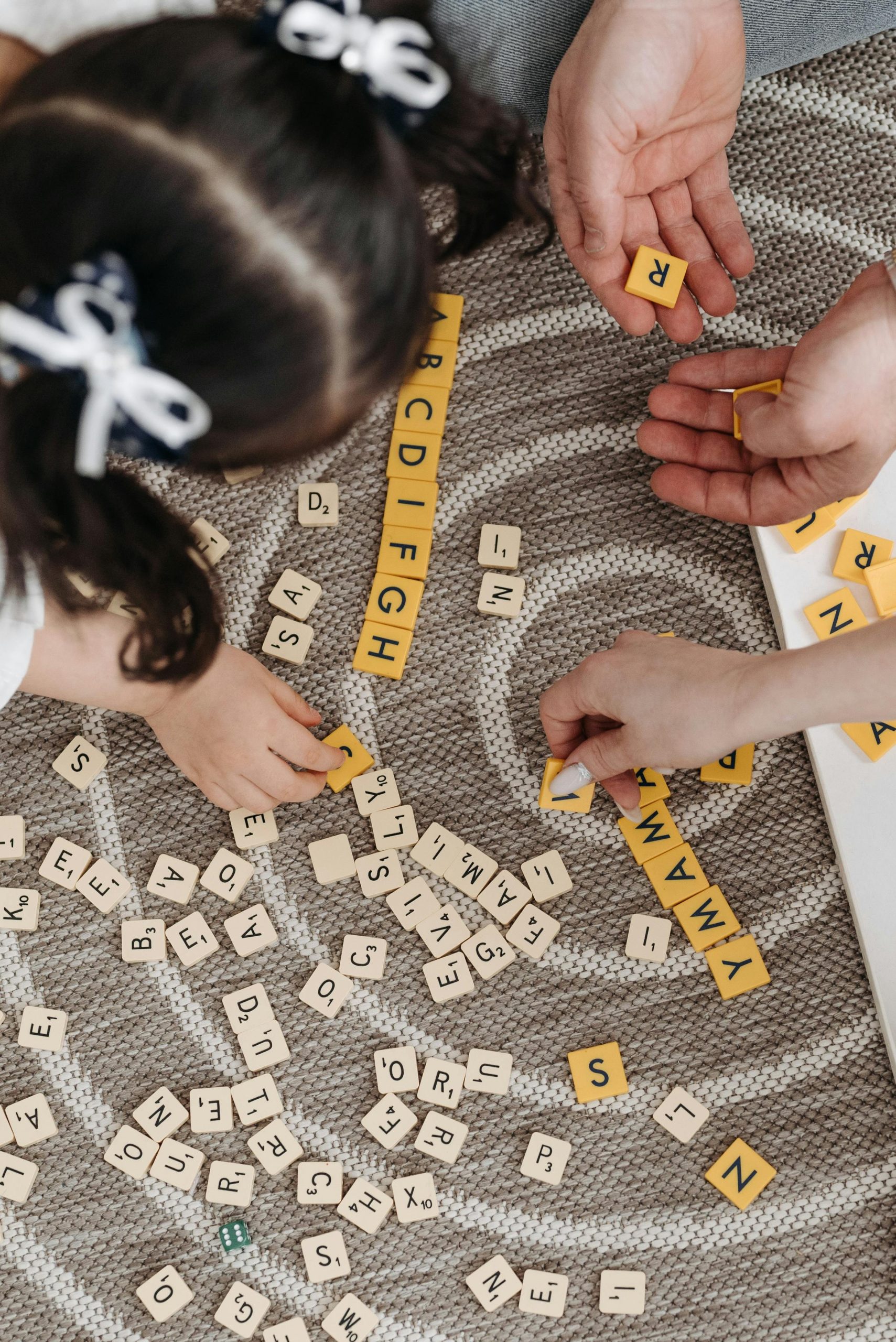
Establish a no-screens rule at least 1-2 hours before bedtime. Encourage activities like reading a book, drawing, or playing a quiet board game instead.
2. Use Blue Light Filtering Tools
Invest in blue light filtering screen protectors (Find one on Amazon), glasses (Check out these kid-friendly blue light glasses), or enable the “Night Mode” feature on devices to reduce blue light exposure.
3. Encourage Outdoor Play During the Day
Exposure to natural light during the day helps regulate melatonin levels, making it easier for your child to fall asleep at night.
4. Swap Screens for Relaxing Bedtime Activities
Replace screen time with calming alternatives like:
- Reading a bedtime story (Try interactive storybooks for extra fun!)
- Listening to soothing music or audiobooks
- Practicing simple bedtime yoga or breathing exercises
5. Create a Sleep-Friendly Environment
- Keep bedrooms dark and cool (use blackout curtains if necessary)
- Remove TVs and tablets from sleeping areas
- Use a red or warm-toned night light instead of bright LED ones (Find a sleep-friendly night light here)
6. Lead by Example
Kids learn by observing. If they see you putting your phone away before bed, they’ll be more likely to follow suit.
Technology is a wonderful tool, but mindful screen habits are key to protecting your child’s health and well-being. By setting boundaries, using blue light filters, and encouraging healthy bedtime routines, you can help your little ones get the restful sleep they need to thrive.
Have you noticed a difference in your child’s sleep after reducing screen time? Share your experiences in the comments!